





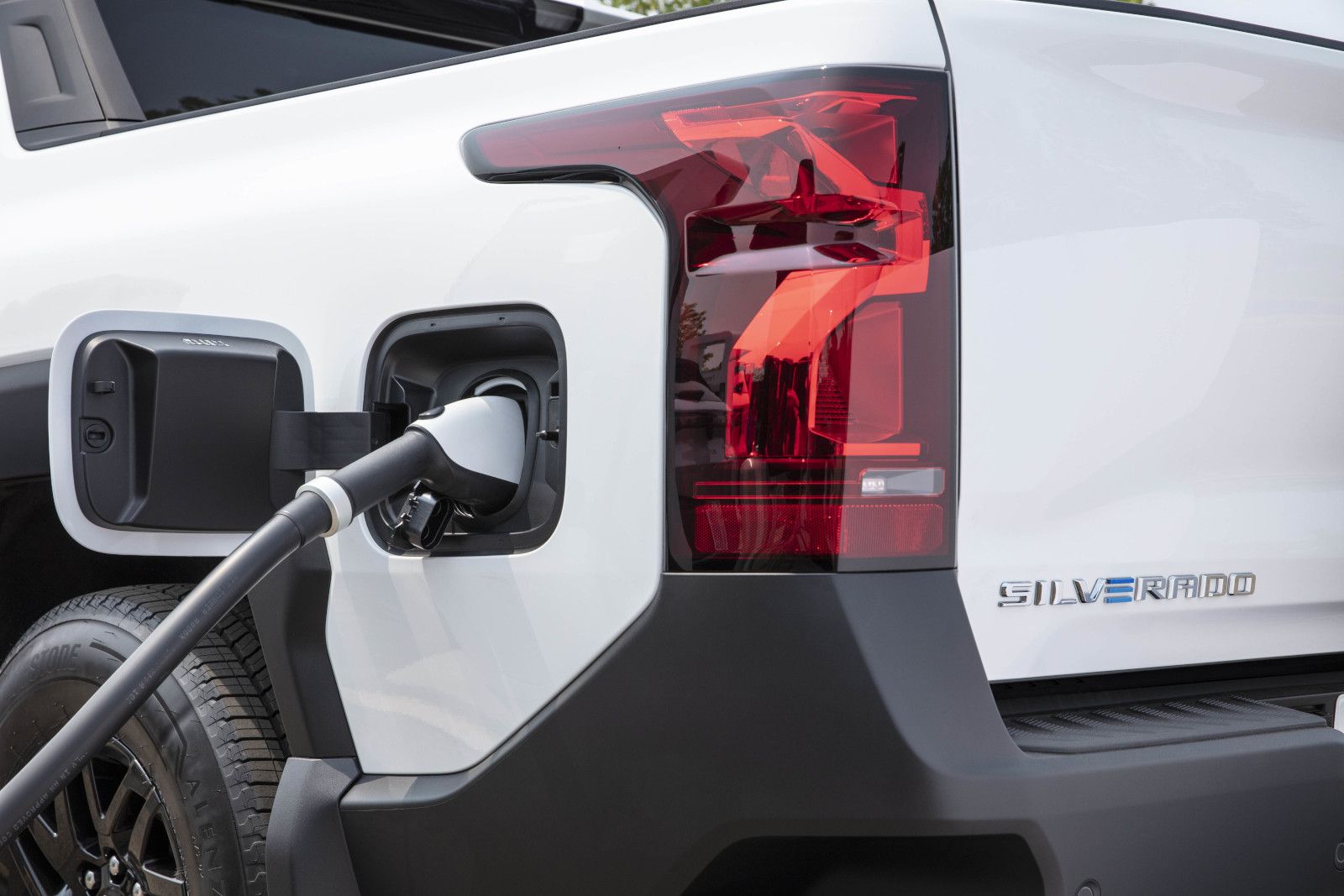
As electric vehicles become more common on Texas roads, many drivers are asking the same question: Should my next Chevy be electric or gasoline-powered? With Chevrolet offering both proven gas engines and an expanding Chevy EV lineup, there’s never been a better time to compare your options.
At DeMontrond Chevrolet in Texas City, TX, we help drivers explore what makes the most sense for their lifestyle, commute, and long-term driving needs. Here’s a closer look at how electric and gasoline Chevy vehicles stack up.
Understanding the Difference Between Electric and Gasoline Vehicles
Gasoline vehicles rely on traditional internal combustion engines, while electric vehicles (EVs) run on battery power alone. EVs produce zero tailpipe emissions and offer instant torque, while gas-powered vehicles deliver familiar refueling and long-distance convenience.
Chevrolet continues to innovate in both areas, giving Texas drivers the freedom to choose the technology that best fits their driving habits.
Why Consider a Chevy Electric Vehicle?
Chevy EVs are designed to make the transition to electric simple and rewarding. Key benefits include:
- Lower fuel and maintenance costs
- Smooth, quiet acceleration
- Reduced emissions
- Access to home and public charging networks
With options like the all-new Silverado EV, EV ownership is becoming more practical for everyday driving around Texas City and beyond.
The Benefits of Gasoline-Powered Chevy Models
Gasoline vehicles remain a strong choice for many drivers—especially those who tow, travel long distances, or prefer quick refueling. Chevy gas models offer:
- Proven reliability and performance
- Extensive fuel station availability
- Strong towing capabilities
- Wide model variety across trucks, SUVs, and cars
From the Chevy Silverado to family-friendly SUVs like the Equinox and Tahoe, gas-powered options continue to meet the needs of Texas drivers.
Charging vs. Fueling: What Works Best in Texas?
EV charging is expanding rapidly across Texas, with more home charging installations and public stations appearing each year. For drivers with predictable daily commutes, charging overnight at home can be extremely convenient.
Gasoline vehicles still hold an edge for road trips and remote travel, where refueling takes only minutes and charging infrastructure may be limited.
Cost Considerations: EV vs. Gasoline
While EVs can have higher upfront costs, they often save money over time through reduced fuel expenses and fewer maintenance needs. Gasoline vehicles typically cost less initially and offer consistent ownership costs that many drivers are already familiar with.
Your budget, driving habits, and long-term plans will all play a role in determining the better option.
Which Chevy Is Right for You?
Choosing between electric and gasoline comes down to how you drive. EVs are ideal for commuters and eco-conscious drivers, while gas-powered Chevys remain a great fit for towing, long-distance travel, and versatility.
The best part? Chevrolet gives you both options—so you don’t have to compromise.
Explore Electric and Gas Chevy Options at DeMontrond Chevrolet
Whether you’re curious about switching to electric or sticking with a trusted gas-powered model, DeMontrond Chevrolet in Texas City, TX is here to help you compare options side by side.
Browse our Chevy EV lineup and book an EV test drive, explore gas-powered favorites, or speak with our team to find the vehicle that fits your lifestyle. Your next Chevy—electric or gasoline—is waiting.
Connect with us


