




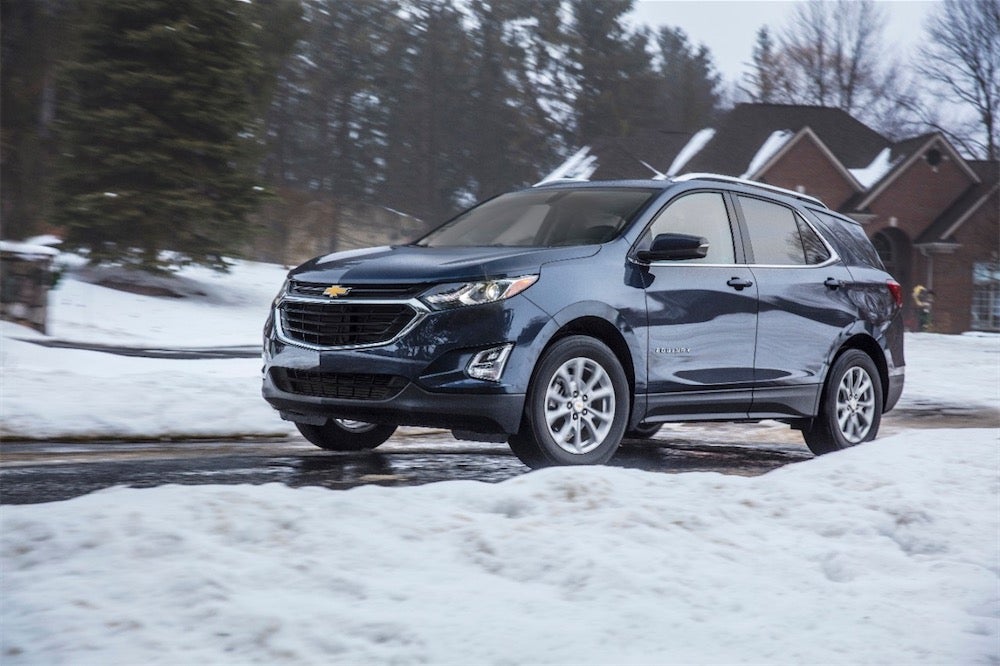
Winter in Texas may look different from that in northern states, but cooler temperatures, sudden cold snaps, and increased holiday travel can still take a toll on your vehicle. Even along the Gulf Coast, winter weather can affect your Chevy’s performance if it isn’t properly maintained. That’s why seasonal service is just as important here as anywhere else. At DeMontrond Chevrolet in Texas City, TX, our certified service team helps local drivers prepare their vehicles for winter driving with proactive care and expert advice. If you’re searching for reliable Chevy services near me, here are the top winter service tips to keep your Chevrolet running strong all season long. Start with a Chevy Oil Change One of the most important steps in winter vehicle maintenance is scheduling regular Chevy oil change services. Cooler temperatures can cause engine oil to thicken, which may reduce lubrication and efficiency during cold starts. Fresh oil helps: Protect engine components Improve cold-start performance Maintain fuel efficiency Reduce long-term engine wear At DeMontrond Chevrolet, we use manufacturer-recommended oil and genuine filters to ensure your engine stays protected—whether you’re commuting locally or heading out on longer winter road trips. Don’t Skip Battery Testing and Replacement Services Cold weather is one of the biggest enemies of car batteries—even in Texas. A weak battery that worked fine in summer may struggle once temperatures drop. That’s why battery testing and replacement services are essential before winter fully sets in. During a battery inspection, our technicians check: Battery charge and health Corrosion on terminals Alternator and charging system performance If your battery shows signs of weakness, replacing it early can save you from unexpected no-start situations during colder mornings or late-night drives. Check Your Brakes Before Winter Travel Winter often means heavier traffic, holiday travel, and unpredictable road conditions—including wet or slick roads after rain. Ensuring your braking system is in top shape is critical. Scheduling a Chevrolet brake job or brake inspection can help identify worn brake pads, rotors, or fluid issues before they become a safety concern. Warning signs you shouldn’t ignore include: Squeaking or grinding noises Vibrations when braking Longer stopping distances A soft or spongy brake pedal Our service team uses quality parts and precise diagnostics to keep your Chevy stopping safely and smoothly. Inspect Tires and Tire Pressure Even mild temperature drops can affect tire pressure. Underinflated tires can reduce traction, fuel efficiency, and overall handling, especially during rainy winter conditions common along the coast. During winter service visits, our technicians check: Tire tread depth Proper inflation levels Signs of uneven wear Maintaining properly inflated tires helps your Chevy handle better and keeps you safer on the road. Top Off Fluids and Check Heating Systems Winter service is also a great time to check all essential fluids, including: Coolant/antifreeze Brake fluid Windshield washer fluid Your heating and defrost systems should also be inspected to ensure clear visibility during early mornings or rainy weather. A fully functioning HVAC system keeps you comfortable and helps prevent windshield fogging. Why Choose DeMontrond Chevrolet for Winter Service? When searching for Chevy services near me, choosing a dealership service center offers clear advantages. At DeMontrond Chevrolet in Texas City, we provide: Factory-trained Chevrolet technicians Genuine Chevy parts and fluids Advanced diagnostic equipment Convenient online scheduling Service and parts specials to help you save We understand the needs of Texas drivers and tailor our service recommendations to local conditions—not generic cold-weather advice. Schedule Your Winter Chevy Service Today Preparing your vehicle for winter doesn’t have to be complicated. With regular Chevy oil change services, timely battery testing and replacement services, and professional Chevrolet brake jobs, you can drive confidently all season long. Whether you’re planning holiday travel or just want peace of mind for your daily commute, our team is here to help. Schedule your winter service appointment online, explore current service specials, or visit DeMontrond Chevrolet in Texas City, TX today. When it comes to winter maintenance, trust the experts who know your Chevy best.
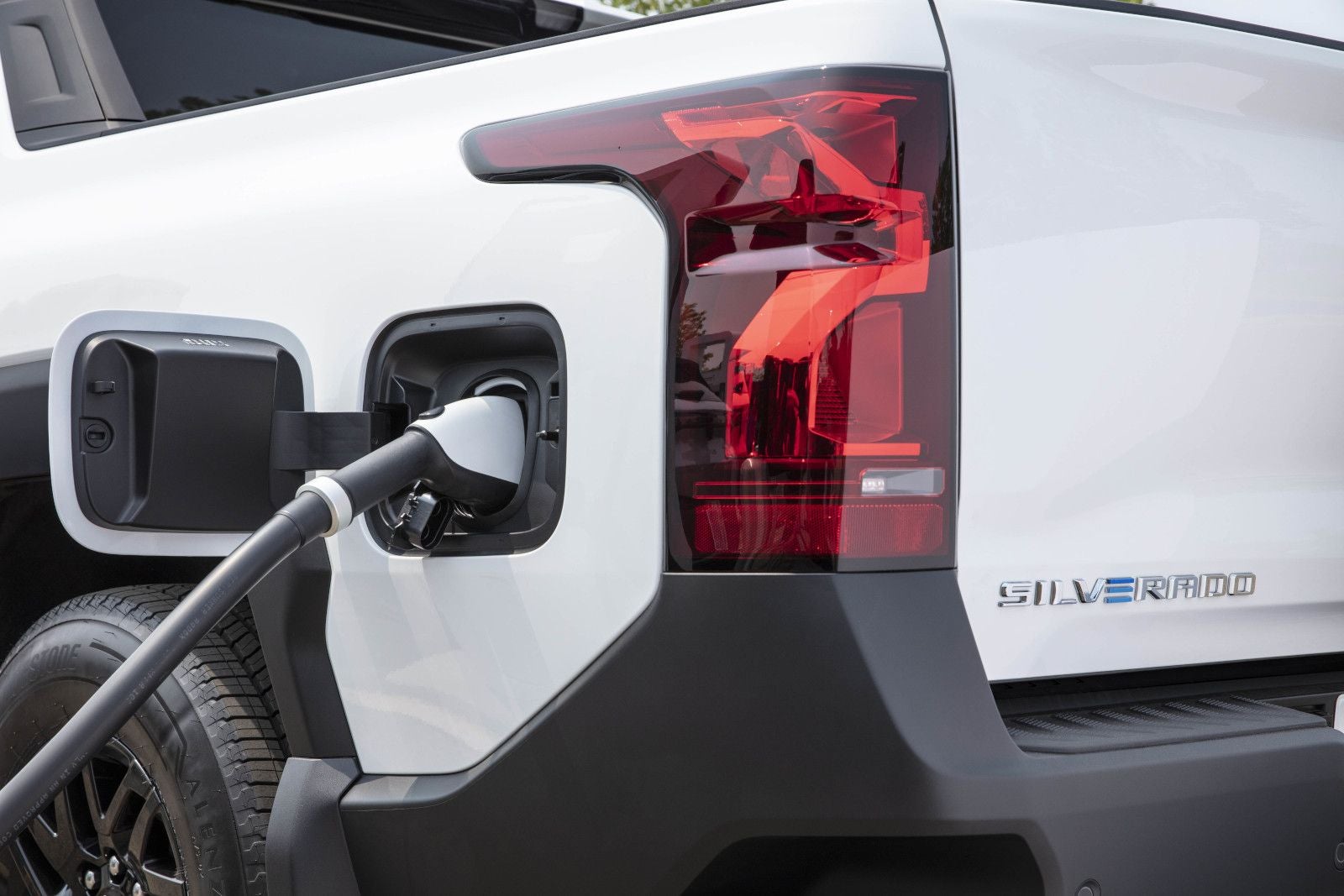
Electric vs. Gasoline: Should Your Next Chevy Be An EV?
As electric vehicles become more common on Texas roads, many drivers are asking the same question: Should my next Chevy be electric or gasoline-powered? With Chevrolet offering both proven gas engines and an expanding Chevy EV lineup, there’s never been a better time to compare your options. At DeMontrond Chevrolet in Texas City, TX, we help drivers explore what makes the most sense for their lifestyle, commute, and long-term driving needs. Here’s a closer look at how electric and gasoline Chevy vehicles stack up. Understanding the Difference Between Electric and Gasoline Vehicles Gasoline vehicles rely on traditional internal combustion engines, while electric vehicles (EVs) run on battery power alone. EVs produce zero tailpipe emissions and offer instant torque, while gas-powered vehicles deliver familiar refueling and long-distance convenience. Chevrolet continues to innovate in both areas, giving Texas drivers the freedom to choose the technology that best fits their driving habits. Why Consider a Chevy Electric Vehicle? Chevy EVs are designed to make the transition to electric simple and rewarding. Key benefits include: Lower fuel and maintenance costs Smooth, quiet acceleration Reduced emissions Access to home and public charging networks With options like the all-new Silverado EV, EV ownership is becoming more practical for everyday driving around Texas City and beyond. The Benefits of Gasoline-Powered Chevy Models Gasoline vehicles remain a strong choice for many drivers—especially those who tow, travel long distances, or prefer quick refueling. Chevy gas models offer: Proven reliability and performance Extensive fuel station availability Strong towing capabilities Wide model variety across trucks, SUVs, and cars From the Chevy Silverado to family-friendly SUVs like the Equinox and Tahoe, gas-powered options continue to meet the needs of Texas drivers. Charging vs. Fueling: What Works Best in Texas? EV charging is expanding rapidly across Texas, with more home charging installations and public stations appearing each year. For drivers with predictable daily commutes, charging overnight at home can be extremely convenient. Gasoline vehicles still hold an edge for road trips and remote travel, where refueling takes only minutes and charging infrastructure may be limited. Cost Considerations: EV vs. Gasoline While EVs can have higher upfront costs, they often save money over time through reduced fuel expenses and fewer maintenance needs. Gasoline vehicles typically cost less initially and offer consistent ownership costs that many drivers are already familiar with. Your budget, driving habits, and long-term plans will all play a role in determining the better option. Which Chevy Is Right for You? Choosing between electric and gasoline comes down to how you drive. EVs are ideal for commuters and eco-conscious drivers, while gas-powered Chevys remain a great fit for towing, long-distance travel, and versatility. The best part? Chevrolet gives you both options—so you don’t have to compromise. Explore Electric and Gas Chevy Options at DeMontrond Chevrolet Whether you’re curious about switching to electric or sticking with a trusted gas-powered model, DeMontrond Chevrolet in Texas City, TX is here to help you compare options side by side. Browse our Chevy EV lineup and book an EV test drive, explore gas-powered favorites, or speak with our team to find the vehicle that fits your lifestyle. Your next Chevy—electric or gasoline—is waiting.